
extra clear toughened glass
Understanding the Pricing of 16% Gate Valves Gate valves are crucial components in various piping systems, functioning primarily as on-off control devices. They are particularly favored for their ability to provide a straight-line flow of fluid and minimal pressure drop. One specific type, the 16% gate valve, is designed to handle certain applications where specific performance characteristics are required. Understanding the pricing of these valves involves a multitude of factors, including material composition, size, manufacturer, and market demand. Material Composition The material from which a 16% gate valve is constructed significantly impacts its price. Common materials include cast iron, stainless steel, brass, and PVC, each offering different properties and price points. For instance, stainless steel gate valves tend to be priced higher due to their excellent corrosion resistance and durability, making them suitable for high-pressure applications. In contrast, cast iron valves might be more economical for simpler water or sewage applications. As such, material composition is one of the first considerations in determining the price of these valves. Size and Specifications Another critical factor affecting the price of a 16% gate valve is its size and specifications. Gate valves come in various diameters, and larger valves typically cost more due to the increased material requirements and complexity of manufacturing. Additionally, the pressure rating of a valve, which indicates its capacity to withstand internal pressure without failing, is also a determining factor. Higher pressure ratings may require more robust construction and thus raise the cost. Customers need to evaluate their specific needs—such as flow rate and pressure—when selecting the appropriate size and specification, as this will directly influence the valve's price. Manufacturer and Brand Reputation 16 gate valve price Brand reputation plays a significant role in the pricing of gate valves. Established manufacturers that have built a reputation for quality and reliability often price their products at a premium compared to lesser-known brands. This is because customers are willing to pay more for valves that are known to perform well and last longer, thereby reducing maintenance and replacement costs over time. Consequently, when considering the price of a 16% gate valve, it is prudent to consider the manufacturer's reputation as a reflection of quality. Market Demand and Competition Market demand and competition also heavily influence the pricing of gate valves. In times of high demand, prices may rise due to the principles of supply and demand. Conversely, when there is an oversupply of valves or a downturn in the construction industry, prices may stabilize or decrease. Seasonal fluctuations, industry trends, and regional market conditions can also impact pricing. For instance, if a specific type of project is prevalent in a region, such as pipeline installation or irrigation improvements, this could drive up demand for particular gate valves, leading to increased prices. Additional Costs and Considerations When assessing the price of a 16% gate valve, it is essential to consider additional costs that may be involved in the procurement process. These can include shipping and handling fees, taxes, and potential import duties, especially if sourcing valves from international manufacturers. Installation costs should also be factored in, as improperly installed valves can lead to leaks and system failures, necessitating further investment in repairs. Conclusion In conclusion, the pricing of 16% gate valves is influenced by a myriad of factors, including material composition, size, manufacturer reputation, market demand, and associated costs. For consumers and businesses alike, understanding these aspects is essential to make informed purchasing decisions that align with their operational needs and budget. As the valve market continues to evolve, staying updated on trends and innovations can also aid in securing the best possible deals while ensuring the selection of high-quality products. Ultimately, investing in a good gate valve can enhance system efficiency and longevity, proving a cost-effective decision in the long run.
about
extra clear toughened glass
The Importance of Steel Ground Anchors in Modern Engineering In contemporary construction and engineering projects, the significance of ground anchors cannot be overstated. Among the various types, steel ground anchors stand out for their structural integrity, durability, and adaptability across a wide range of applications. Whether in civil engineering, landscaping, or emergency rescue operations, steel ground anchors play a crucial role in ensuring stability and safety. Understanding Steel Ground Anchors Steel ground anchors are devices that are used to secure structures to the ground, preventing movement caused by external forces such as wind, soil settlement, or seismic activity. They are typically made from high-strength steel, providing a robust solution with high tensile strength and resistance to corrosion. Designed to transfer loads into the ground, these anchors are essential for securing a variety of structures such as buildings, towers, and retaining walls. Applications of Steel Ground Anchors 1. Civil Engineering In civil engineering projects, steel ground anchors are often employed to stabilize slopes and prevent landslides. They are used in the construction of deep foundations for bridges and buildings. These anchors are crucial during excavation, providing lateral support and maintaining the safety of the site. For example, during the construction of a high-rise building, engineers may use ground anchors to hold back soil and ensure the stability of adjacent structures. 2. Telecommunication and Energy Sectors Telecommunication towers and wind turbines are often anchored using steel ground anchors to withstand the forces of nature. The stability provided by these anchors is essential for ensuring the safety and functionality of communication networks and renewable energy sources . For instance, wind turbines must endure high winds; steel anchors prevent them from toppling over, thereby increasing their operational lifespan. steel ground anchors 3. Landscaping and Retaining Walls In landscaping, steel ground anchors are used to secure retaining walls and outdoor structures such as pergolas and fence systems. They help to prevent soil erosion and maintain the integrity of landscaping designs. By anchoring retaining walls, these structures can effectively hold back soil, protecting gardens and homes from potential damage. 4. Emergency and Rescue Operations Steel ground anchors are critical in emergency situations, especially in search and rescue operations. They can provide anchorage points for rescue lines or equipment, ensuring the safety of rescue workers. For instance, in situations involving collapsed structures, these anchors help to secure stable platforms for rescuers while they conduct their operations. Advantages of Steel Ground Anchors The choice of steel for ground anchors is primarily due to its many advantages. Steel ground anchors are known for their exceptional load-bearing capacity, high tensile strength, and excellent resistance to environmental factors like corrosion and UV radiation. Modern treatments and coatings can enhance the durability of these anchors, making them suitable for harsh weather conditions and varied soil types. Moreover, the installation of steel ground anchors is relatively straightforward. With specialized equipment, construction teams can quickly and efficiently install these anchors, reducing project timelines. This efficiency also translates into cost savings, as fewer materials and labor are required compared to alternative anchoring methods. Conclusion In conclusion, steel ground anchors are an indispensable component in the fields of construction and engineering. Their versatility, strength, and effectiveness in stabilizing structures make them a preferred choice for various applications. As construction practices and technologies continue to evolve, the role of steel ground anchors will undoubtedly expand, further contributing to the safety and durability of modern infrastructure. Engineers and construction professionals must continue to embrace innovative anchoring solutions to ensure that our built environment stands resilient against the forces of nature and time.
-

High quality industrial productsagement

High quality industrial products
View Details -

Meet the diverse needs of customers

Meet the diverse needs of customers
View Details -

Strict quality control

Strict quality control
View Details -

Top raw materials

Top raw materials
View Details -

Trusted supplier

Trusted supplier
View Details
Our application


news and information

Valve tipleri
Valf Tipleri Endüstriyel Uygulamaların Temel Taşı Valfler, endüstriyel sistemlerin vazgeçilmez parça
What Is a Ball Check Valve_
When it comes to fluid control systems, one essential component that plays a critical role is the ch
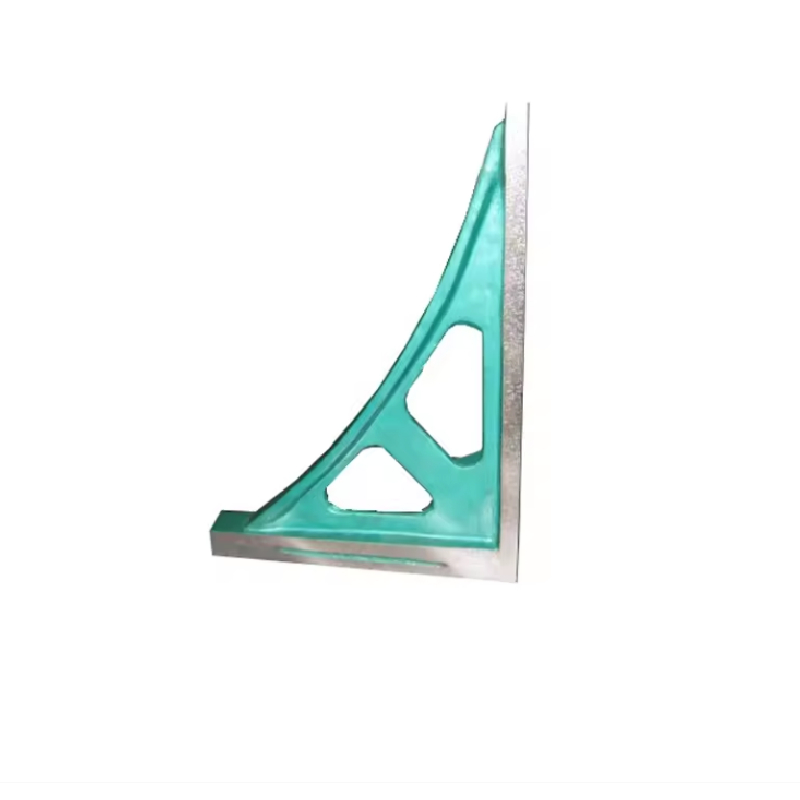
Versatile Granite Angle Plate for Precision Machining and Workholding Solutions
Understanding Granite Angle Plates A Key Tool for Precision Measurement In the realm of manufacturin
 English